Pre-Flight Meditation for Pilots: A Calm, Focused Cockpit Routine
Pre-flight meditation for pilots sharpens focus, steadies nerves, and improves situational awareness. A fast, practical pre-departure routine for any flight deck.
By Paddy Picho. Published 2026-06-13. Updated 2026-06-13.
Pre-flight meditation for pilots is a short, structured breathing and attention routine done before departure to steady your nervous system, sharpen situational awareness, and clear mental clutter before you take the controls. It's not about relaxation for its own sake — it's about arriving at the flight deck with a quiet, organized mind so your training and checklists have room to work.
Aviation demands precision under pressure. A two-minute reset before pushback can be the difference between flying reactive and flying ahead of the aircraft.
Why a Pre-Flight Mental Reset Matters
You manage workload, weather, and decision-making with very little margin. Stress narrows attention exactly when you need it widest.
The challenges are familiar to every pilot:
- Startle and stress responses that spike heart rate and tunnel your focus.
- Mental carry-over from a rushed commute, a tense crew briefing, or life on the ground.
- High cognitive load during taxi, takeoff, and approach.
- Fatigue from long duty days and circadian disruption.
Critical physiological fact: Under acute stress, peripheral vision and working memory both shrink — a phenomenon known as attentional tunneling. Slow, controlled breathing measurably counters this, helping you keep the full picture during high-workload phases.
The aim is simple: leave the ground-level noise on the ground, and bring a calm, scanning mind into the cockpit.
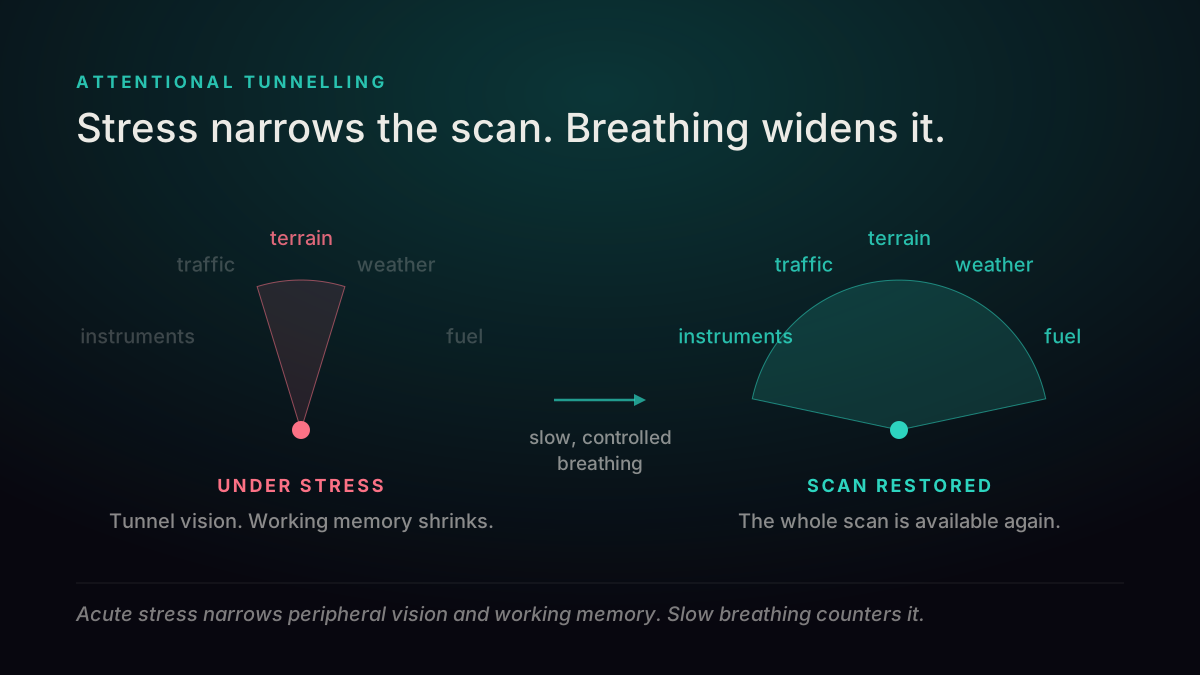
*Controlled breathing helps counter the "tunnel vision" that stress creates — keeping your situational awareness wide.*
The Pre-Departure Reset (2–3 Minutes)
Run this after your walk-around and before the busy phases begin — ideally during a quiet moment at the gate or holding short.
Step 1: Settle and Ground
- Sit back, both feet flat, hands resting.
- Feel the points of contact — seat, rudder pedals, the airframe around you.
- Take one slow breath and let your shoulders drop.
Step 2: Tactical Breathing (Box Breathing)
This is the same technique used by military aviators and first responders.
- Inhale through the nose for 4 counts.
- Hold for 4 counts.
- Exhale for 4 counts.
- Hold empty for 4 counts.
- Repeat for four cycles.
Pro Tip: Box breathing is field-proven for performance under pressure. Practice it on the ground until it's automatic — so it's available the moment a real stressor hits in flight.
Step 3: Set Your Scan Intention
Before you finish, mentally state your focus for this flight: *"Calm, scanning, ahead of the aircraft."* This primes your attention before the workload climbs.
In-Flight Micro-Practices
Mindfulness doesn't stop at the gate. Brief resets keep you sharp through long sectors.
The Cruise Check-In
During stable cruise, take 30 seconds to:
- Notice your breath without changing it.
- Release tension from your hands, jaw, and shoulders.
- Re-widen your scan — instruments, traffic, terrain, weather, fuel.
The Startle Recovery Breath
If something unexpected happens and you feel the surge:
- One deliberate exhale before you act (assuming altitude and aircraft control allow).
- Let the slow breath interrupt the panic reflex.
- Then return to aviate, navigate, communicate.
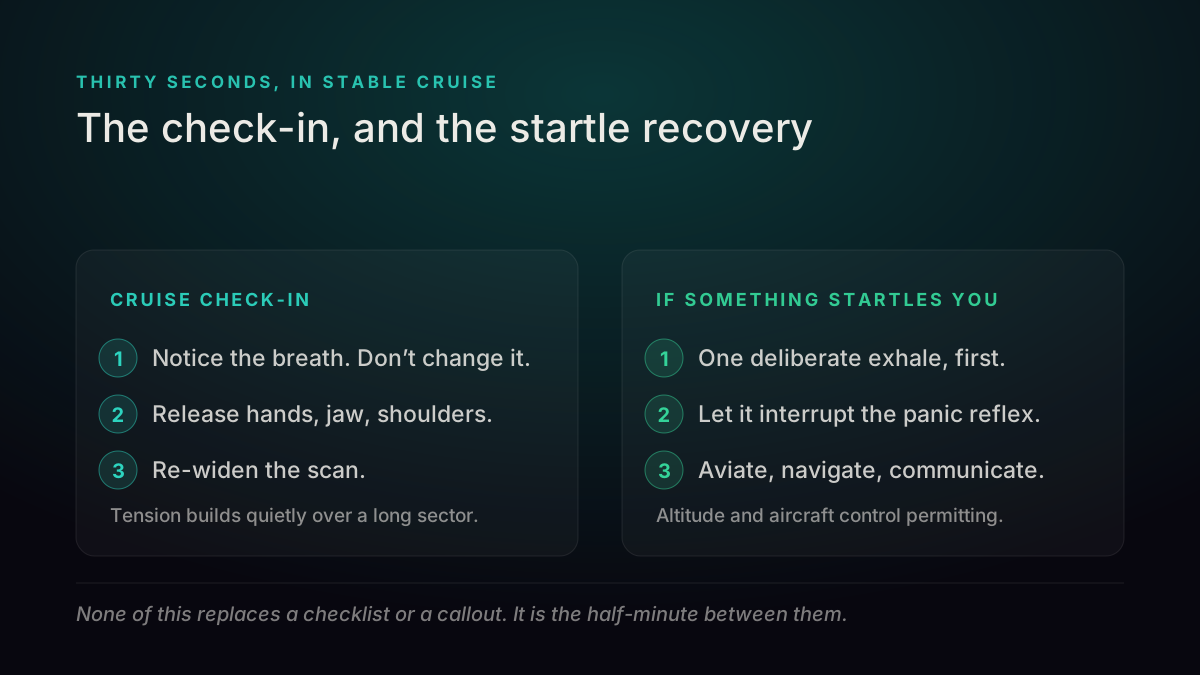
*A 30-second cruise check-in keeps tension from quietly building over a long sector.*
Building the Habit Safely
A few guardrails so this enhances safety rather than distracting from it:
- Practice on the ground first. Never learn a new technique during a critical phase of flight.
- Eyes and scan always come first. These practices supplement your duties — they never replace monitoring the aircraft.
- Keep it short. The power is in brief, repeatable resets, not long sessions.
- Anchor to routine. Tie box breathing to a fixed point, like completing the before-start checklist.
Takeaway: A regulated nervous system is a flight-safety asset. Calm pilots make clearer decisions, communicate better, and recover faster from the unexpected.
Frequently Asked Questions
Is meditation safe to do in the cockpit?
The eyes-open, attention-based practices here are designed to *increase* alertness, not reduce it. Do longer or eyes-closed practice on the ground; in flight, use only the brief breathing resets that keep you actively monitoring.
How quickly does box breathing work?
Many pilots feel steadier within a single 4-cycle round — roughly one minute. The calming effect is physiological, driven by slow, paced breathing that lowers heart rate and stress hormones.
Can this help with fear of flying for nervous student pilots?
Yes. The same breathing techniques that reduce performance stress also ease anxiety. They give you a concrete, repeatable action to take when nerves rise, which builds confidence over time.
Does this replace proper rest and fatigue management?
No. Meditation supports focus but cannot substitute for adequate sleep and disciplined fatigue management. Treat it as one layer of safety alongside good rest.
*Fly the aircraft, stay ahead of it, and breathe. A calm flight deck is a safe flight deck.*