Crying During Meditation: What It Means and Why It's Healthy
Crying during meditation usually means stored emotion is releasing as your nervous system relaxes. Learn why it happens, what it means, and how to respond.
By Paddy Picho. Published 2026-06-13. Updated 2026-06-13.
Crying during meditation usually means that stored emotion is releasing as your nervous system relaxes and your guard comes down — it's a normal, often healthy form of emotional release, not a sign that you're doing meditation "wrong." When you finally sit still and stop distracting yourself, feelings that have been waiting for space often surface, and tears are simply the body's way of letting them move through.
If it happened to you and left you surprised or even a little embarrassed, take a breath. This is one of the most common experiences meditators have — and it's frequently a sign of progress, not a problem.
Why Tears Show Up When You Sit Still
All day long, we stay busy. Work, screens, conversation, and noise keep us a comfortable distance from our deeper feelings.
Meditation quietly removes those distractions. In the stillness, a few things happen at once:
- Your nervous system relaxes, and the tension you've been holding starts to unwind.
- Suppressed emotions surface because there's finally room for them.
- Your guard lowers, so feelings you usually push aside become accessible.
- The body releases stored stress, sometimes physically, through tears.
Critical physiological fact: Emotional tears have a different chemical makeup than ordinary tears and are thought to help the body shed stress-related hormones. In other words, crying isn't just emotional — it may be one of the body's built-in ways to discharge tension.
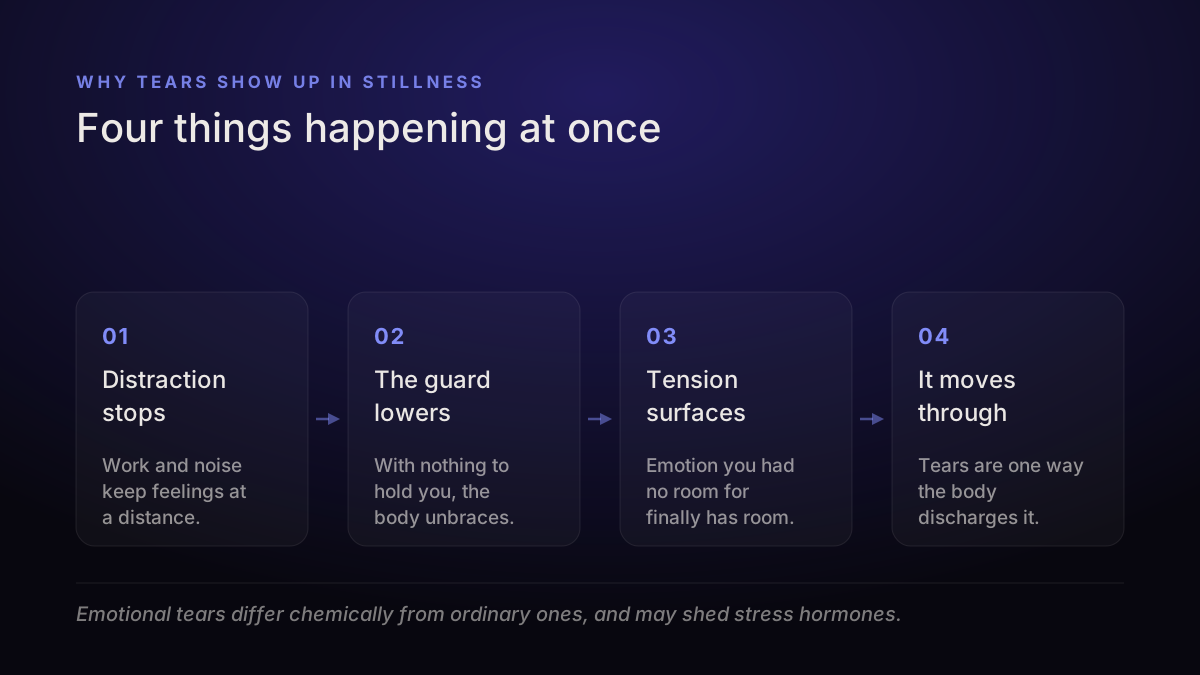
*When you remove daily distractions, emotions that were waiting in the background finally get room to move.*
What Your Tears Might Be Telling You
Crying in meditation doesn't always have one clear "cause." But it often points to one of these:
- Stored grief or sadness finally finding a safe moment to surface.
- Relief — sometimes we cry because we feel safe enough to finally let go.
- Built-up stress discharging from the body.
- A tender, open heart — many people cry from feelings of love, gratitude, or connection.
- Old emotional residue from experiences you never fully processed.
Pro Tip: You don't need to figure out the exact "why" in the moment. The healing often happens through *feeling* the emotion, not analyzing it. Understanding can come later.
It's worth saying clearly: tears in meditation are usually a good sign. They mean you've created enough safety and stillness for real feelings to move.
How to Respond When It Happens
The instinct is often to stop, judge yourself, or push the feeling away. Try the opposite.
In the Moment
- Let it flow. Don't force the tears to stop and don't force more.
- Keep breathing slowly. Let each exhale carry a little of the tension out.
- Drop the story. You don't have to know why. Just feel it.
- Be kind to yourself. Treat the moment the way you'd treat a friend who's crying.
Afterward
- Rest for a few minutes before jumping back into your day.
- Drink some water and move gently.
- Journal if it helps, but only if you want to — there's no obligation.
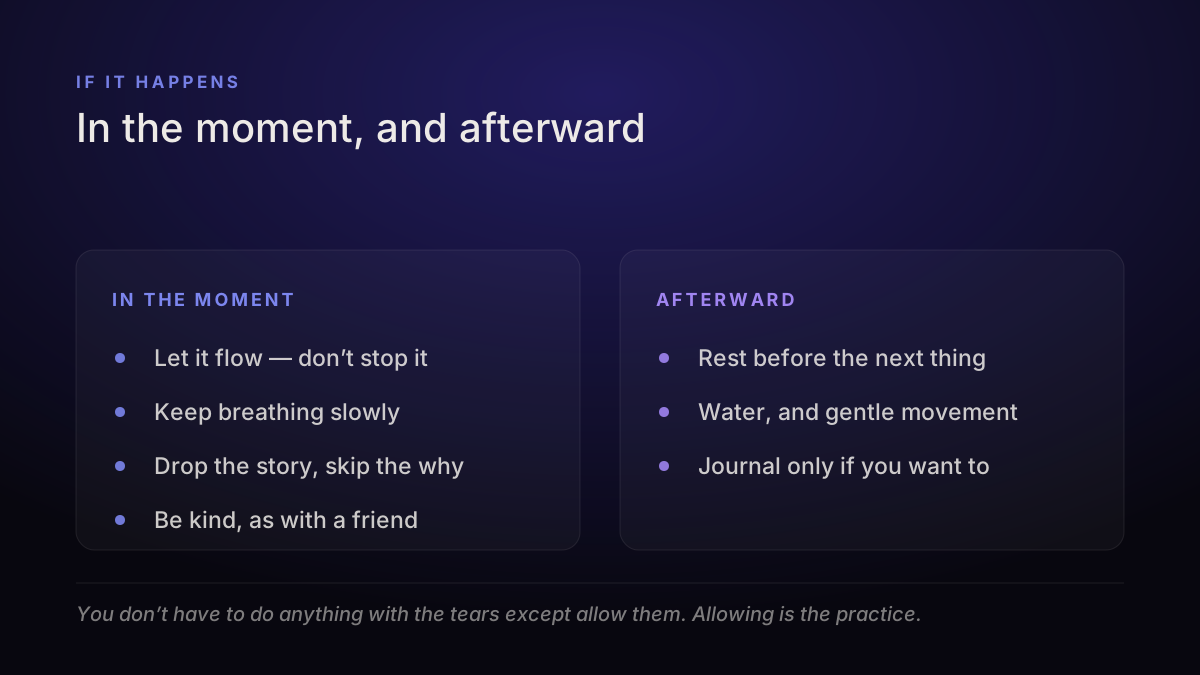
*Give yourself a soft landing afterward — emotional release deserves a little gentleness and recovery time.*
Takeaway: You don't have to do anything with the tears except allow them. Allowing is the practice. The release does its own work.
When to Pay Closer Attention
For the vast majority of people, crying in meditation is healthy and passing. Still, use common sense.
Consider reaching out to a therapist or counselor if:
- The crying is tied to overwhelming or distressing memories, especially trauma.
- You feel worse, not lighter, after sessions over time.
- Strong emotions feel unmanageable outside of meditation too.
Meditation can surface deep material, and there's no shame in getting support to process it. That's strength, not weakness.
Frequently Asked Questions
Is it normal to cry during meditation?
Yes, completely. It's one of the most common experiences meditators report. It typically means stored emotion is releasing as you relax — a healthy, natural part of the process.
Does crying mean my meditation is working?
Often, yes. It suggests you've reached a state of stillness and safety deep enough for real feelings to surface. Many people experience it as a sign of progress and emotional opening, not failure.
Should I stop meditating if I start crying?
No need. The gentlest approach is to keep breathing and let the tears flow without forcing anything. If it ever feels truly overwhelming, you can softly open your eyes and ground yourself — that's always okay.
Why do I cry from gratitude or love, not sadness?
Because meditation opens the heart as well as releases pain. Tears of love, awe, or gratitude are common in deep, connected states. They're a beautiful and equally valid form of release.
*If you cried, nothing is wrong with you. Something inside you simply felt safe enough to let go — and that's exactly what this practice is for.*