Meditation for Truck Drivers: Stay Calm and Alert on Long Hauls
Meditation for truck drivers reduces road fatigue, stress, and tension. Learn quick, eyes-open techniques you can use safely at the wheel and at rest stops.
By Paddy Picho. Published 2026-06-13. Updated 2026-06-13.
Meditation for truck drivers is a set of simple, eyes-open breathing and awareness techniques that help you stay calm, reduce fatigue, and sharpen focus during long hauls — no incense, no lotus pose, and nothing that takes you away from the road. It works because slow, controlled breathing tells your nervous system the threat level is low, which steadies your heart rate and clears the mental fog that builds up over a 600-mile day.
You already know the reality of the job: tight delivery windows, traffic that tests your patience, and hours of monotony broken only by sudden stress. This guide is built for that life — not a quiet studio.
Why Truck Drivers Need Meditation More Than Most
Few jobs combine isolation, irregular sleep, and high-stakes concentration the way trucking does. That mix is a recipe for chronic stress and driver burnout.
The toll is real and well-documented:
- Mental fatigue that creeps in long before your body feels tired.
- Highway hypnosis — that zoned-out, autopilot feeling on empty stretches.
- Cortisol spikes from near-misses, aggressive drivers, and dispatch pressure.
- Loneliness from days or weeks away from family.
Critical physiological fact: Studies on driver alertness show that even brief recovery breaks lower stress hormones and improve reaction time. A two-minute breathing reset isn't "soft" — it's a measurable safety tool.
The goal here isn't to make you a monk. It's to give you a few reliable tools that fit between the steering wheel and the sleeper berth.
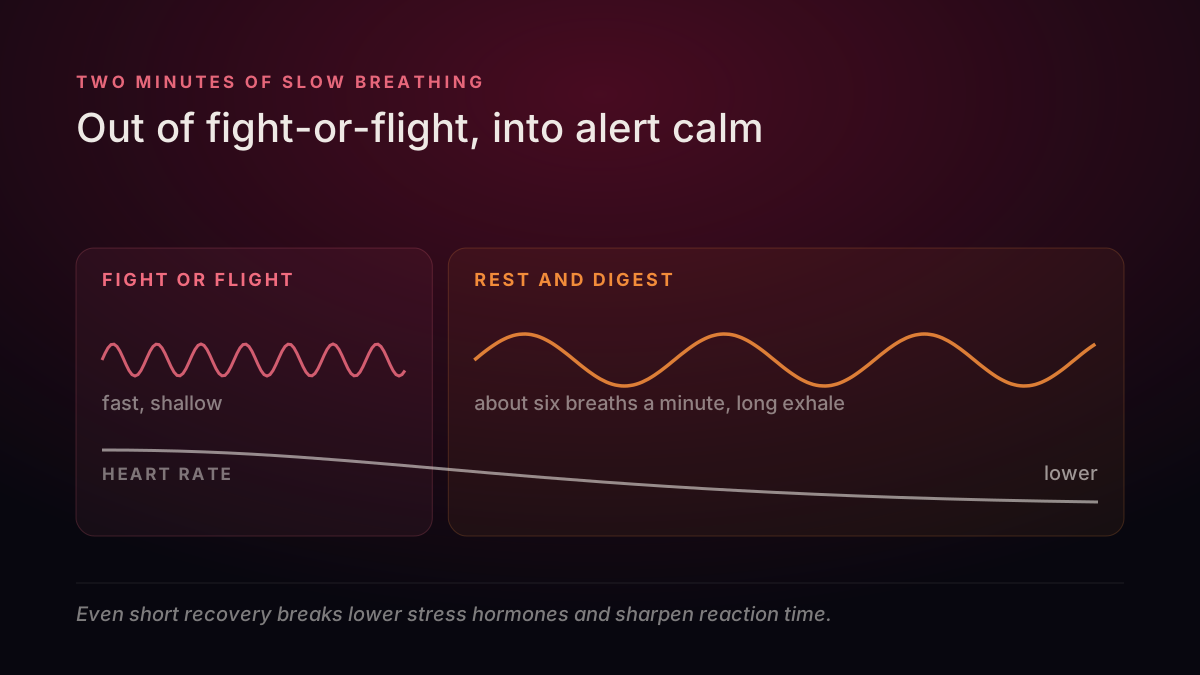
*A simple look at how slow breathing shifts your body out of "fight or flight" and into a calmer, more alert state.*
Safety First: Eyes-Open Meditation at the Wheel
Let's be clear about one thing. Never close your eyes or do anything that pulls your attention from driving.
Real meditation for drivers is "open awareness" — you stay fully alert while gently calming the body. Here's how.
The Road-Focused Breath (Safe While Driving)
This keeps your eyes on the road the entire time.
- Keep both hands on the wheel and your gaze on the highway.
- Breathe in slowly through your nose for a count of four.
- Let the breath out through your mouth for a count of six.
- Notice the feel of your hands on the wheel and your back against the seat.
- Repeat for ten breaths whenever tension builds.
The longer exhale is the secret. It activates the calming part of your nervous system without dulling your focus.
Pro Tip: Pair this breath with a trigger you already see often — a mile marker, a toll booth, or every time you check your mirrors. That turns calm into a habit instead of an afterthought.
Rest-Stop Resets: Deeper Practices for Your Breaks
When you're parked — at a rest area, a truck stop, or loading dock — you can go deeper. These take 3 to 10 minutes.
1. The Cab Body Scan
Sitting parked, with the engine off:
- Close your eyes if you feel safe and secure in your parked location.
- Bring attention to your feet, then slowly move up — calves, lower back, shoulders, jaw.
- Wherever you find tightness, breathe into it and let it soften on the exhale.
Drivers carry tension in the lower back and shoulders. This scan releases it before it becomes chronic pain.
2. The Five Senses Grounding
Perfect for reducing anxiety after a stressful stretch of road. Notice:
- 5 things you can see.
- 4 things you can feel.
- 3 things you can hear.
- 2 things you can smell.
- 1 thing you can taste.
This pulls a racing mind out of "what if" and back into the present.
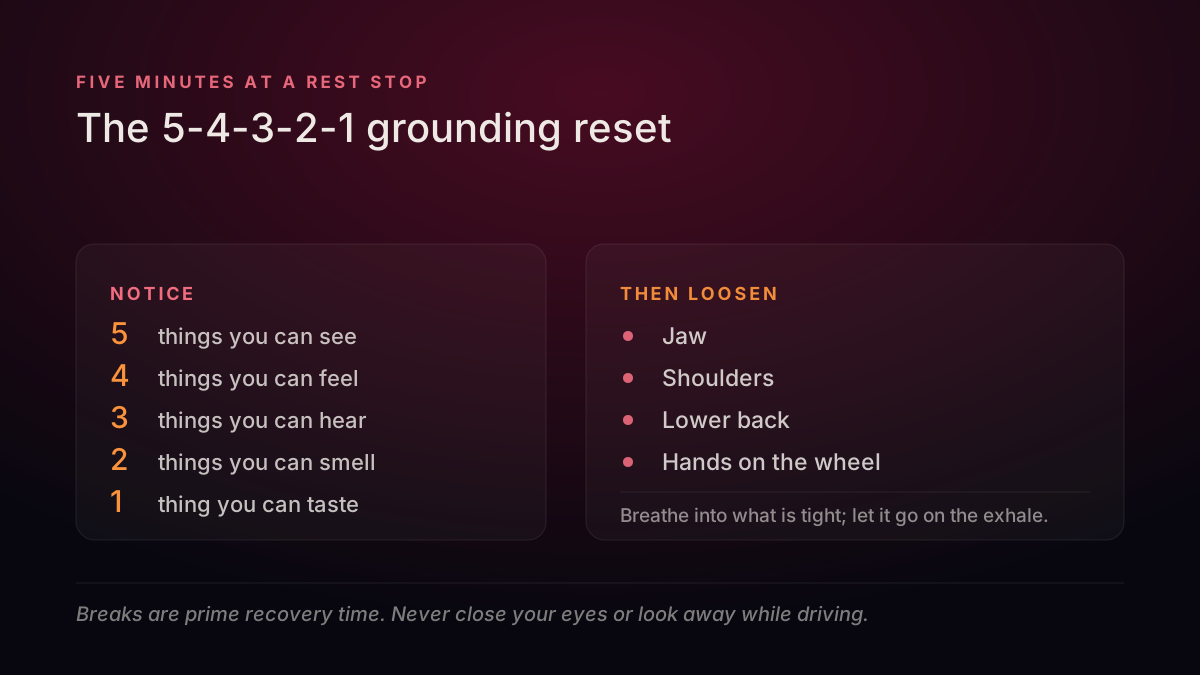
*Your breaks are prime recovery time — even five minutes of grounding resets your stress levels for the miles ahead.*
Building a Routine That Survives the Road
Consistency matters more than length. A few minutes daily beats an hour once a month.
Try anchoring practice to things you already do:
- Pre-trip: Three slow breaths before you turn the key — set your intention for a calm, focused shift.
- Fuel stops: One round of Five Senses Grounding while the tank fills.
- End of day: A short body scan in the sleeper berth to release the day before sleep.
Takeaway: You don't need extra time you don't have. You need to attach small calming habits to the routine you already run.
Frequently Asked Questions
Can I really meditate while driving a truck?
Yes — but only "eyes-open" awareness practices like slow breathing and noticing your senses. Anything that closes your eyes or breaks your focus belongs to your breaks, never the road.
How long until meditation actually helps with fatigue?
Many drivers feel calmer after a single session. The bigger benefits — better sleep, steadier mood, less reactivity — usually show up within two to three weeks of short daily practice.
Is this a replacement for proper rest and sleep?
No. Meditation supports alertness, but it cannot replace real sleep or your required rest breaks. Treat it as a tool that works alongside good rest, not instead of it.
What if I can't "clear my mind"?
You're not supposed to. The mind wanders — that's normal. The practice is simply noticing when it drifts and gently returning to your breath. That returning *is* the exercise.
*Stay safe out there. A calmer driver is a sharper, safer driver — and you deserve to arrive home feeling like yourself.*