Solfeggio Frequencies for Anxiety: Which Hz Calms You and How to Use Them
Solfeggio frequencies for anxiety use specific Hz tones to promote calm and relaxation. Learn which frequencies help, the science, and how to start a session today.
By Paddy Picho. Published 2026-06-13. Updated 2026-06-13.
Solfeggio frequencies for anxiety are specific sound tones — most notably 396 Hz, 432 Hz, and 528 Hz — used during meditation and relaxation to promote a sense of calm and ease tension. While the deeper spiritual claims aren't proven science, the underlying mechanism is real: slow, steady, soothing sound helps shift your nervous system out of stress and into rest.
If you're feeling anxious and looking for a gentle, drug-free tool to lean on, this guide explains what these frequencies are, which ones people use for anxiety, and exactly how to try them.
What Are Solfeggio Frequencies?
Solfeggio frequencies are a set of specific sound tones, each measured in Hertz (Hz) — the unit for how fast a sound wave vibrates. They trace back to an ancient musical scale and were popularized in modern sound healing.
Each frequency is traditionally linked to a different intention:
- 396 Hz — releasing fear and guilt; grounding.
- 417 Hz — clearing negativity and facilitating change.
- 432 Hz — a calming alternative tuning many find soothing.
- 528 Hz — the "love" or transformation frequency, associated with stress relief.
- 639 Hz — connection and emotional balance.
Pro Tip: You don't need to memorize the meanings. The most reliable test is your own body — the frequency that makes *you* feel calmer is the right one for you.
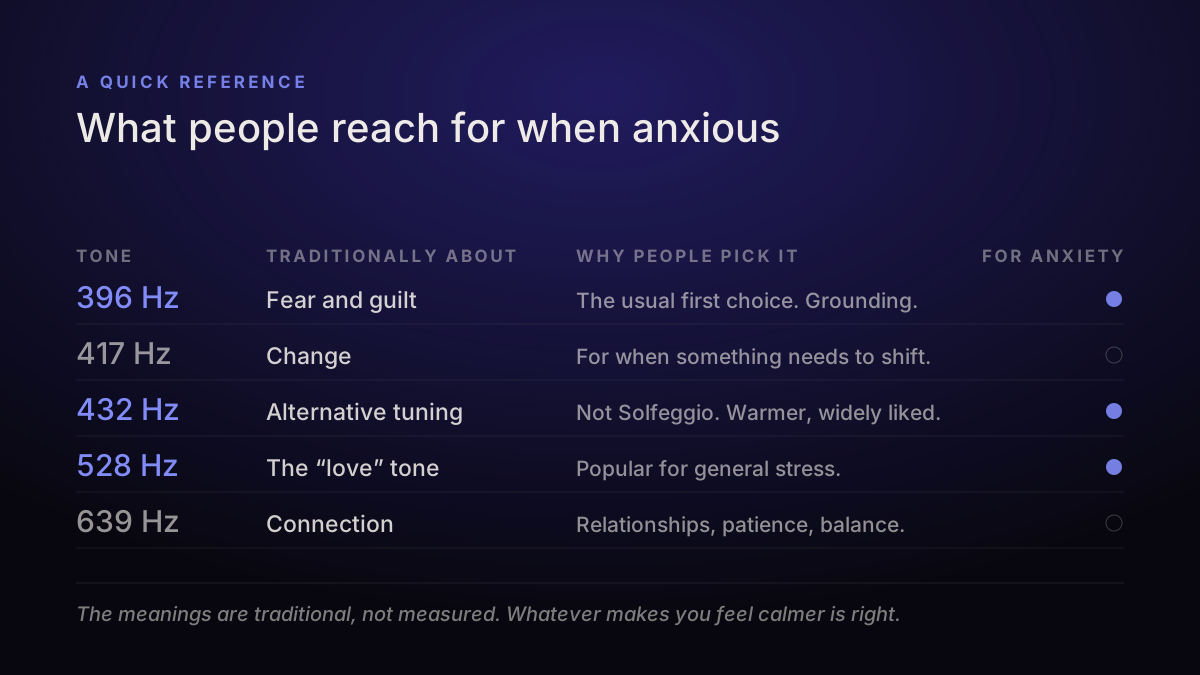
*A quick reference to the most popular frequencies people reach for when they're feeling anxious.*
How Sound Eases Anxiety: The Grounded Explanation
Let's separate the hype from what's genuinely useful.
The honest truth is that the mystical claims about Solfeggio tones "repairing DNA" aren't supported by science. But that doesn't mean the practice is worthless — far from it.
Here's why calming sound actually helps:
- Slow, steady tones encourage slower breathing, which signals safety to your nervous system.
- A single soothing focus gives an anxious mind something to rest on instead of spiraling.
- The ritual itself — headphones on, eyes closed, a few quiet minutes — is a powerful relaxation cue.
- Music and tones reliably lower stress in research, regardless of the exact frequency.
Critical physiological fact: Calming auditory input can help activate the parasympathetic nervous system — your body's "rest and digest" mode. That's the same system responsible for lowering heart rate and easing the physical grip of anxiety.
In short: treat Solfeggio frequencies as a focused relaxation tool, not magic. Used that way, they're genuinely helpful.
Which Frequencies People Use for Anxiety
While individual response varies, these are the most common starting points:
- 396 Hz — the go-to for fear and anxiety; many describe it as grounding and reassuring.
- 432 Hz — a warmer, "softer" tuning that lots of people find naturally soothing.
- 528 Hz — popular for general stress relief and a sense of emotional lightness.
The best approach? Try each for a few minutes and notice which one settles you. Your nervous system is the final judge.
How to Run Your First Session
You can start in the next five minutes.
- Find a quiet spot where you won't be interrupted.
- Use headphones for a fuller, more immersive sound (though speakers work too).
- Choose one frequency — 396 Hz or 432 Hz are gentle starting points.
- Keep the volume low and comfortable. Louder is not better.
- Sit or lie down, close your eyes, and let your breath slow naturally.
- Start with 10–15 minutes. Just listen and let tension drain.
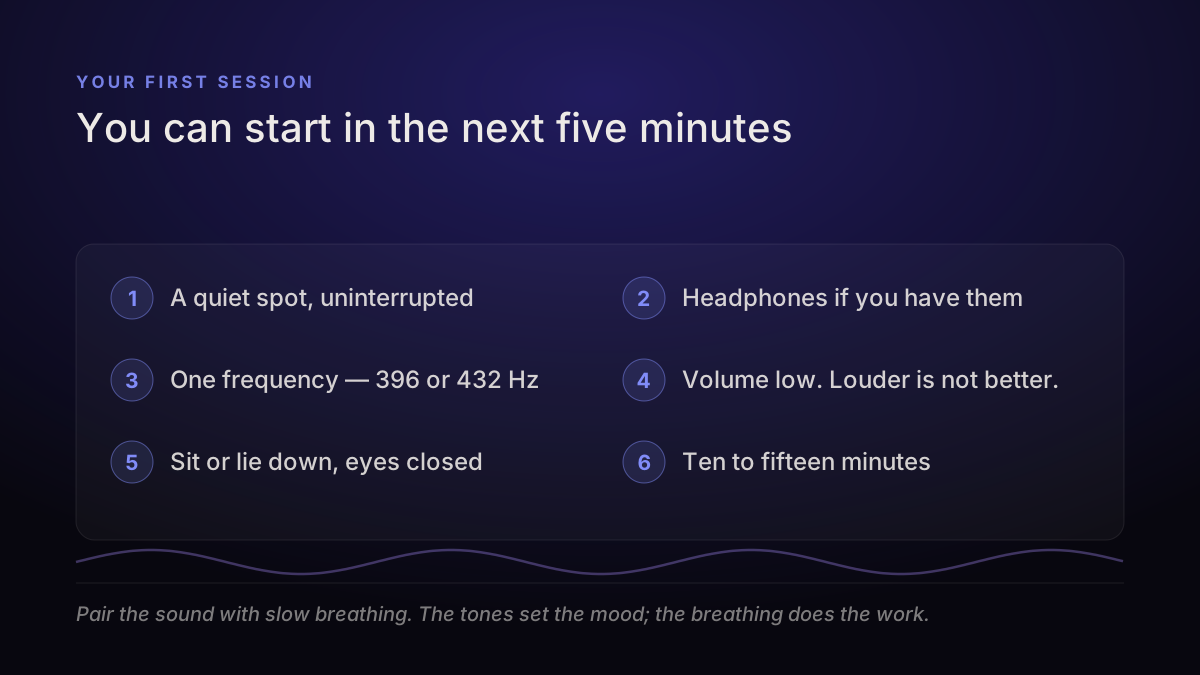
*A simple setup — quiet room, comfortable volume, slow breath — is all you need to begin.*
Takeaway: Pair the sound with slow breathing for the strongest effect. The tones set the mood; the breathing does the heavy lifting on calming your body.
Frequently Asked Questions
What is the best Solfeggio frequency for anxiety?
Many people start with 396 Hz for fear and anxiety, or 432 Hz for general calm. There's no single "best" — the right frequency is the one that makes your own body feel most settled, so experiment.
Are Solfeggio frequencies scientifically proven to cure anxiety?
No. The specific mystical claims aren't supported by evidence, and these tones are not a cure or a substitute for treatment. However, calming sound *is* a well-documented relaxation aid that can genuinely ease stress in the moment.
How long should I listen for?
Start with 10–15 minutes. You can extend to 30 minutes or more if it feels good. Consistency — a short daily session — tends to help more than occasional long ones.
Can I use this alongside therapy or medication?
Yes, as a complementary relaxation tool. It works well as a calming ritual, but it should never replace professional care for an anxiety disorder. If anxiety is severe or persistent, please talk to a qualified healthcare provider.
*Anxiety is heavy. A few quiet minutes of soothing sound won't fix everything — but it can give your nervous system the pause it's been asking for.*